The Role of Industrial Sweeping in Facility Maintenance
- rezamousavi4008
- Nov 16, 2025
- 3 min read
Maintaining a clean and safe industrial or commercial facility is a top priority for any property manager or business owner. Cleanliness not only reflects professionalism but also ensures operational efficiency and safety. One of the most effective ways to achieve this is through proper industrial cleaning methods. Among these, industrial sweeping plays a crucial role in keeping large spaces free from dust, debris, and hazards.
In this post, I will walk you through the importance of industrial sweeping, explore various industrial cleaning methods, and share practical tips to maintain your facility at its best.
Why Industrial Cleaning Methods Matter
Industrial cleaning methods are designed to handle the unique challenges of commercial and industrial environments. These spaces often accumulate heavy dust, dirt, and waste materials that regular cleaning cannot manage effectively. Using the right cleaning techniques helps:
Improve safety by reducing slip and trip hazards.
Enhance equipment lifespan by preventing dust buildup.
Boost employee productivity with a cleaner work environment.
Maintain compliance with health and safety regulations.
Create a positive impression for visitors and clients.
For example, a warehouse floor covered in sawdust or metal shavings can be dangerous and inefficient. Applying targeted cleaning methods ensures these materials are removed quickly and thoroughly.

Key Industrial Cleaning Methods for Facilities
There are several industrial cleaning methods available, each suited to different types of facilities and cleaning needs. Here are some of the most common and effective ones:
Sweeping and Scrubbing
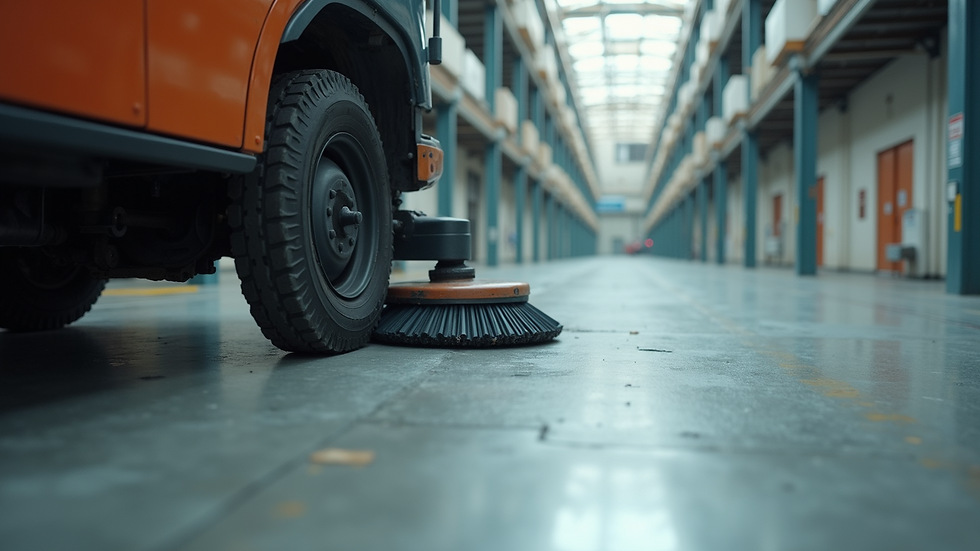
Sweeping is the first step in most cleaning processes. It removes loose dirt, dust, and debris from floors. Scrubbing follows to clean stains and stuck-on grime. Using mechanical sweepers and scrubbers can cover large areas quickly and efficiently.
Pressure Washing
Pressure washing uses high-pressure water jets to clean surfaces like concrete, metal, and machinery. It is excellent for removing grease, oil, and stubborn dirt. However, it requires careful handling to avoid damage or water intrusion.
Vacuuming
Industrial vacuum systems are designed to pick up fine dust and hazardous particles. They are essential in environments where airborne dust can affect health or contaminate products.
Chemical Cleaning
Sometimes, chemical agents are necessary to break down tough stains, oils, or biological contaminants. These chemicals must be chosen carefully to avoid harming surfaces or the environment.
Dry Ice Blasting
This is a non-abrasive cleaning method that uses dry ice pellets to remove contaminants without water or chemicals. It is ideal for sensitive equipment and areas where moisture is a concern.
Each method has its place, and often a combination is used to achieve the best results.
How Industrial Sweeping Supports Facility Maintenance
Among these methods, industrial sweeping stands out as a foundational practice. It is the most straightforward and cost-effective way to keep floors clean and safe. Here’s why it is so important:
Prevents dust accumulation that can damage machinery and reduce air quality.
Removes debris that can cause accidents or block drainage systems.
Reduces cleaning time by handling loose dirt before deeper cleaning.
Supports environmental goals by minimizing dust pollution.
For example, in a manufacturing plant, regular sweeping prevents metal shavings from accumulating, which could otherwise cause equipment malfunctions or injuries.
Practical Tips for Effective Sweeping
Use mechanical sweepers for large areas to save time and labor.
Schedule sweeping during low-traffic hours to avoid disruptions.
Train staff on proper sweeping techniques to maximize efficiency.
Combine sweeping with other cleaning methods for a thorough approach.
Choosing the Right Equipment and Service Provider
Selecting the right equipment and cleaning partner is critical for successful facility maintenance. Here are some factors to consider:
Facility size and layout: Larger spaces benefit from ride-on sweepers, while smaller areas may use walk-behind models.
Type of debris: Different sweepers handle dust, gravel, or heavy debris differently.
Frequency of cleaning: High-traffic areas may require daily sweeping, while others can be cleaned weekly.
Environmental impact: Look for eco-friendly equipment and cleaning agents.
Service expertise: Choose providers with experience in industrial environments and a strong safety record.
Partnering with a reputable company that offers tailored solutions can save time and money while ensuring your facility stays in top condition.
Maintaining a Clean Facility for Long-Term Success
Regular cleaning is not just about appearance; it’s about protecting your investment and ensuring smooth operations. Here are some actionable recommendations:
Develop a cleaning schedule that fits your facility’s needs.
Invest in quality equipment that matches your cleaning challenges.
Train your team on safety and cleaning best practices.
Monitor and adjust your cleaning plan based on results and feedback.
Consider professional services for specialized cleaning tasks.
By following these steps, you can maintain a clean, safe, and efficient facility that supports your business goals.
Maintaining a spotless industrial or commercial space requires commitment and the right approach. Industrial sweeping is a key part of this process, helping to keep floors clean and hazards at bay. By understanding and applying effective industrial cleaning methods, you can protect your property, enhance safety, and create a welcoming environment for everyone who enters your facility.


Comments